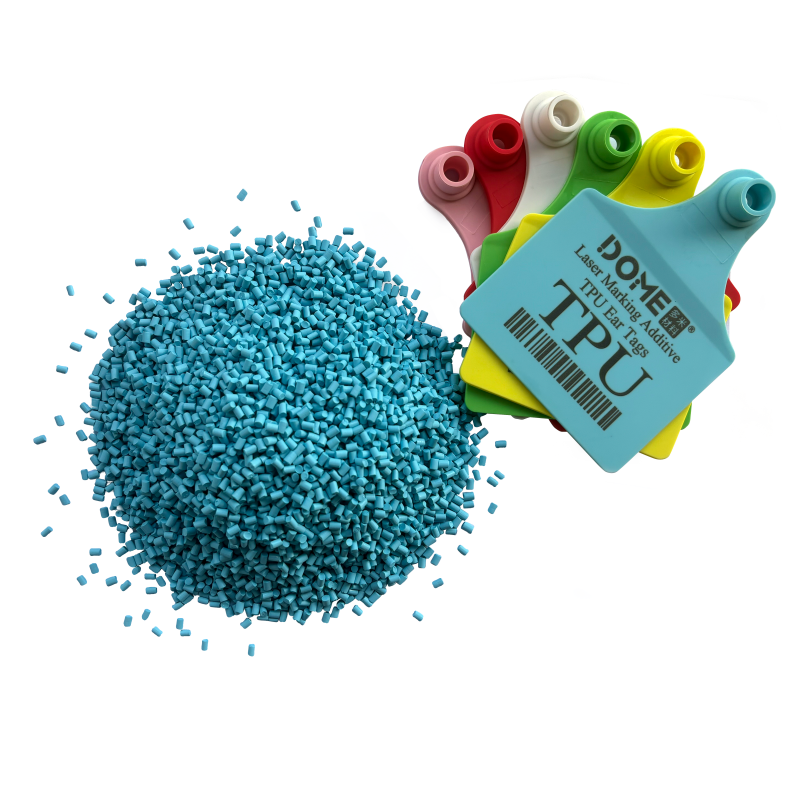
As a materials engineer who’s spent years troubleshooting TPU formulations, testing masterbatches, and advising manufacturers, I’ve encountered the same recurring frustrations in the TPU color masterbatch space. Demand is exploding thanks to TPU’s superior elasticity, durability, and versatility in sectors like automotive, medical devices, footwear, livestock tags, and cables. Yet the industry struggles with inconsistent quality, regulatory hurdles, and mismatched supply.
This comprehensive guide breaks down the major pain points, offers a practical selection roadmap drawn from real-world trials, and highlights the key trends poised to reshape the market through 2030 and beyond. Mastering these elements helps manufacturers cut defects, ensure compliance, and future-proof their operations.
Current State of the TPU Color Masterbatch Market
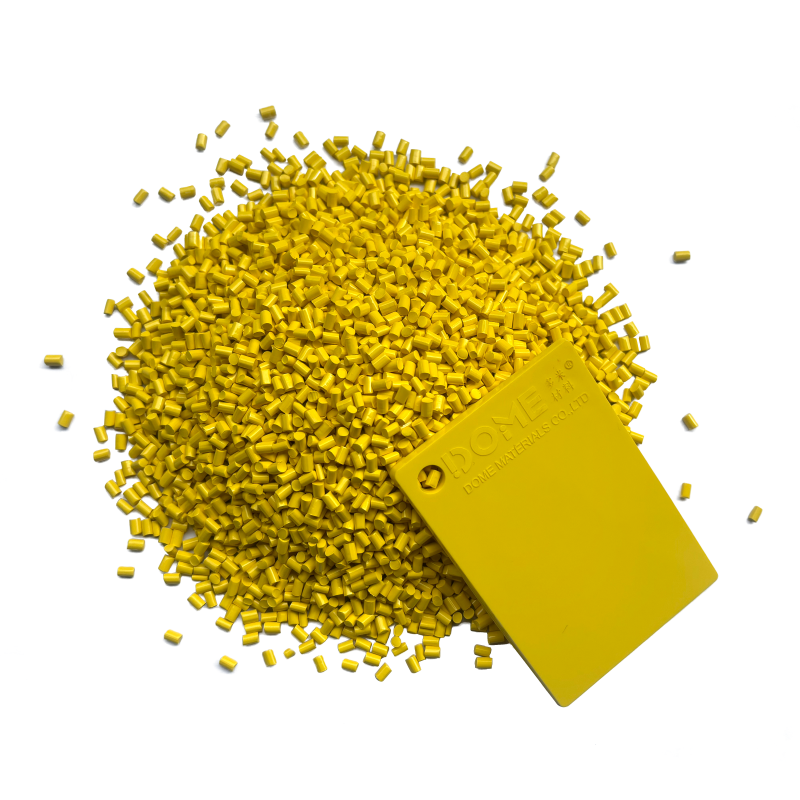
The global TPU market continues its strong growth trajectory, projected to expand significantly from recent figures (around a $3–4 billion range in mid-2020s estimates), fueled by lightweight, high-performance demands in EVs, sustainable footwear, medical tubing, and flexible electronics. Color masterbatch—concentrated pigment dispersions in TPU-compatible carriers—is essential for aesthetics and branding, but quality variation remains stark. Premium suppliers deliver reliable dispersion and compliance; lower-tier options often compromise on raw materials, leading to widespread production issues.
Major Pain Points Plaguing the TPU Color Masterbatch Industry
Four persistent challenges limit reliability, market access, and profitability.
1. Persistent Quality Defects: Dispersion, Migration & Weathering Failures
Uneven pigment dispersion causes streaks, specks, haze, or surface blooming—especially problematic in polyester TPU, where “powder seepage” can appear months after production. Color migration risks contamination in food-contact or medical uses, while inadequate UV/anti-aging protection leads to fading, yellowing, or embrittlement in outdoor applications (cables, automotive trims, ear tags).
Root causes include low-grade pigments, poor carrier compatibility, missing stabilizers, and inconsistent extrusion controls. Batch-to-batch variation further disrupts scale production, increasing rejects and downtime.
2. Escalating Compliance & Regulatory Barriers
High-end segments face strict standards:
- Medical: ISO 10993 biocompatibility
- Food packaging: FDA / EU 10/2011 low-migration
- Automotive/electronics: RoHS, REACH, low-VOC/heavy metal limits
Many mid/low-end masterbatches use non-compliant ingredients (phthalates, certain azo pigments), barring entry to premium markets and exposing users to recalls or penalties as global regulations tighten.
3. Customization Gap: Demand for Tailored Solutions vs. Standardized Supply
End-users want specific shades, enhanced weathering, combined functionalities (anti-static + color), or compatibility with polyester vs. polyether TPU. Most producers stick to catalog items due to R&D limitations, long custom lead times, and cost penalties for small runs—creating chronic supply mismatches.
4. Cost vs. Performance Trade-Off Dilemma
Premium pigments, dispersants, and TPU carriers drive higher raw material costs. Price-sensitive buyers push suppliers downward, resulting in compromised formulations. The outcome: short-term savings lead to long-term losses via higher defect rates, rework, and compliance risks.
Step-by-Step Guide: How to Select High-Quality TPU Color Masterbatch
Avoid low-price traps—focus on fit-for-purpose performance. Follow this proven selection framework.
Step 1: Map Your Application & Performance Priorities
Identify must-have properties based on end-use:
- Outdoor/exposed → High UV stability, anti-weathering
- Medical/food-contact → Low-migration, non-toxic, certified biocompatibility/food-grade
- Flexible/durable parts → Excellent dispersion, no impact on elasticity/toughness
- Process match → Flowability for injection/extrusion/blow molding; thermal stability in 160–220°C range
Specify TPU type (polyester for oil/heat resistance; polyether for hydrolysis/low-temp flexibility).
Step 2: Demand Full Compliance Documentation
Require up-to-date third-party reports:
- RoHS/REACH declarations
- Migration testing (food)
- Biocompatibility certificates (medical)
- SDS with full ingredient traceability
Reject suppliers unable to provide application-specific proof.
Step 3: Validate Consistency & Real-World Processing
Request 3–5 batch samples → Compare:
- Color (Delta E variation <1–2)
- Dispersion (microscope/filter pressure test)
- Melt behavior & surface quality in trials
Conduct small production runs to check odor, discoloration, mechanical retention, and defects.
Step 4: Calculate True Total Cost of Ownership
Factor in:
- Defect/rework reduction
- Faster cycles & lower scrap
- Regulatory risk avoidance
- Product lifespan extension
Premium masterbatch typically delivers 20–50% lower overall costs despite a higher upfront price.
Quick Comparison Table: Low-End vs. Premium TPU Masterbatch
| Aspect | Low-End / Generic | Premium / Optimized | Impact on Your Operation |
|---|---|---|---|
| Dispersion Quality | Uneven, streaks/spots common | Excellent, uniform even at low loadings | Fewer visual/mechanical defects |
| Migration Resistance | High risk in sensitive apps | Low-migration certified pigments | Compliance & safety assurance |
| Weathering Stability | Fades/embrittles quickly | Strong UV + anti-aging package | Longer outdoor product life |
| Batch Consistency | Noticeable variation | Tight controls, <2% Delta E shift | Reliable scale production |
| Compliance Readiness | Excellent, uniform, even at low loadings | Multi-standard (RoHS, FDA, ISO 10993) | Access to premium markets |
| Total Cost (Long-Term) | Lower initial, higher hidden costs | Higher initial, lower overall | Better profitability |
Emerging Trends Shaping the Future of TPU Color Masterbatch
The industry is shifting toward sustainability, intelligence, and specialization.
1. Sustainability & Eco-Compliance as Table Stakes
Bio-based pigments, recyclable carriers, low-VOC formulations, and biodegradable options gain traction amid stricter regulations and circular economy demands. Suppliers with verified green credentials will dominate premium segments.
2. Advanced Customization & Faster R&D Cycles
Digital color matching, agile small-batch production, and dedicated formulation teams enable rapid response to unique needs—closing the customization gap.
3. Functional + Color Integration
Multi-performance masterbatches (color + anti-microbial, anti-static, flame-retardant, conductive) expand into medical, electronics, and aerospace—boosting added value.
4. Process Standardization & Quality Control Advances
Automated extrusion, precise dispersion tech, and industry-wide testing protocols reduce variation, improving reliability and trust.
Conclusion: Turning Pain Points into Competitive Advantages
The TPU color masterbatch sector faces genuine hurdles—quality inconsistencies, compliance complexity, customization delays, and cost pressures—but these challenges also signal massive opportunity. By selecting masterbatch strategically (prioritizing verified performance, compliance, and lifetime value) and aligning with trends like sustainability and multifunctionality, manufacturers can achieve defect-free production, regulatory peace of mind, and access to high-growth applications.
For suppliers, heavy investment in R&D, green innovation, and process excellence separates market leaders. For end-users, partnering with forward-thinking providers transforms coloring from a headache into a strength. The path forward is clear: solve today’s pain points to capture tomorrow’s growth in the expanding TPU ecosystem.