In today’s competitive manufacturing landscape, product identification on plastics is critical for traceability, branding, compliance, and quality control. Two dominant technologies—inkjet printing and laser marking—are frequently compared for marking plastics like ABS, polycarbonate (PC), polyethylene (PE), polypropylene (PP), PET, PA(nylon), TPU, POM, PBT, and more. While inkjet offers lower upfront costs, laser marking consistently outperforms it in durability, operating efficiency, and long-term ROI.
This comprehensive guide compares inkjet vs laser marking for plastics, highlights laser advantages, addresses common customer pain points, and explores real-world solutions. Whether you’re in automotive, medical devices, electronics, packaging, or consumer goods, understanding these differences helps optimize your production line.
How Inkjet Printing Works on Plastics
Inkjet marking, particularly Continuous Inkjet (CIJ) or Thermal Inkjet (TIJ), deposits liquid ink droplets onto plastic surfaces. It is versatile and works on irregular or curved surfaces. Modern systems support high-speed lines and various ink formulations, including solvent-based, UV-curable, and water-based inks.
Key Benefits of Inkjet:
- Lower initial equipment cost (often $10,000–$20,000 for industrial systems).
- Excellent for porous and non-porous materials with proper ink selection.
- Easy to change messages or variable data (batch codes, dates, serial numbers).
However, inkjet has notable limitations on plastics.
How Laser Marking Works on Plastics
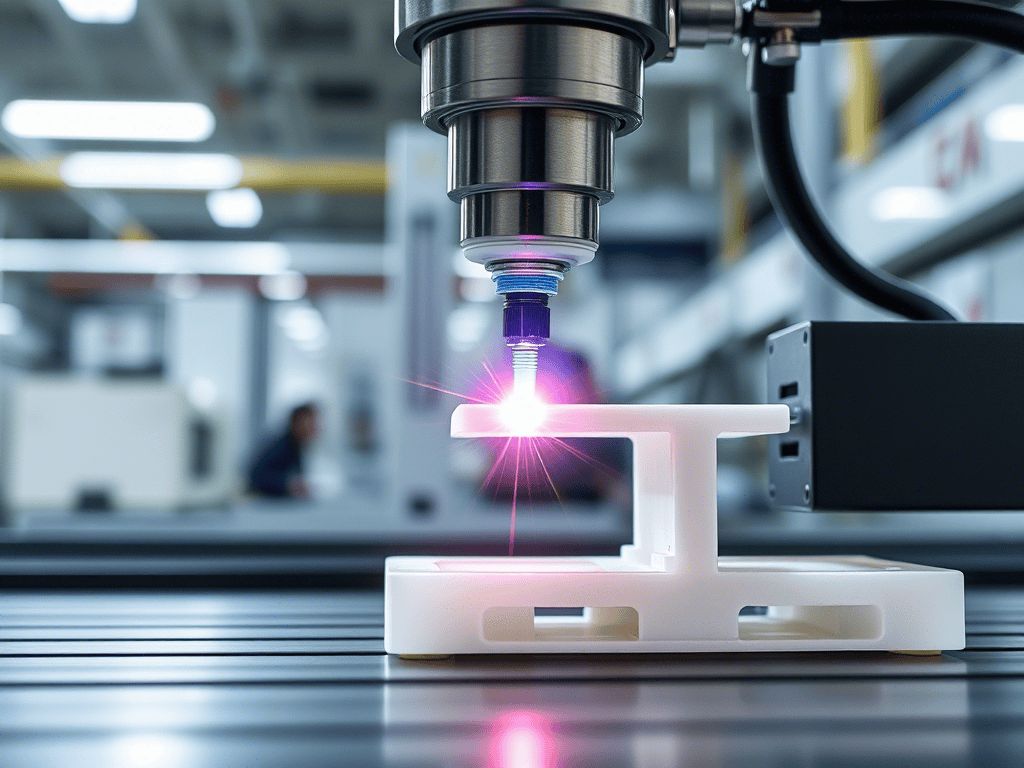
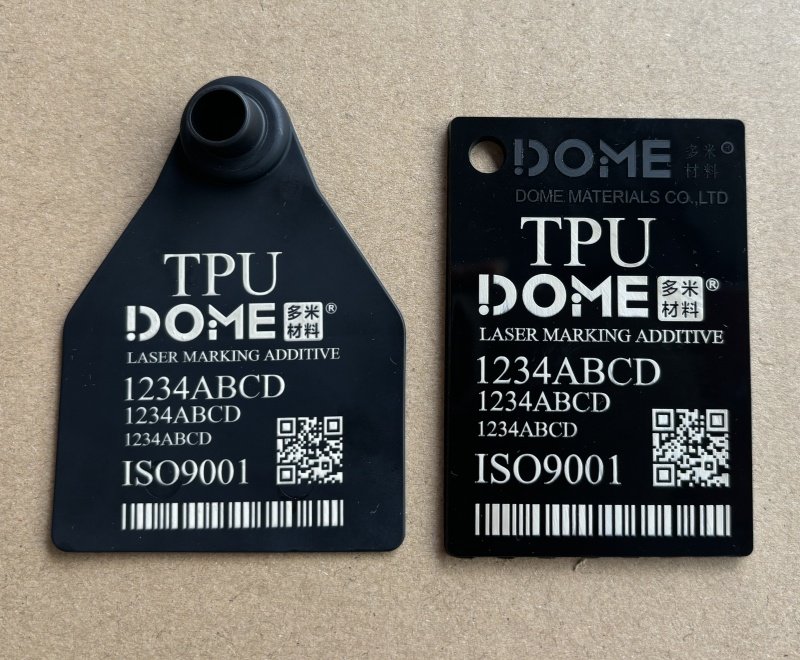
Laser marking uses focused beams (fiber, UV, CO₂, or green lasers) to alter the plastic surface through carbonization, foaming, color change, or ablation. No ink or consumables contact the material—marking is permanent and achieved via localized heat or photochemical reactions.
Common Laser Types for Plastics:
- Fiber lasers: Fast for darker plastics.
- UV lasers: “Cold marking” for heat-sensitive or light-colored plastics with minimal damage.
- CO₂ lasers: Suitable for thicker materials or surface ablation.
Head-to-Head Comparison: Inkjet vs Laser Marking on Plastics
| Aspect | Inkjet Printing | Laser Marking | Winner |
|---|---|---|---|
| Durability | Excellent on plastics with the right wavelength/additives | Permanent; resists chemicals, UV, abrasion, heat | Laser |
| Operating Costs | High (ongoing ink, solvents, maintenance) | Very low (no consumables after purchase) | Laser |
| Speed | High on suitable lines | Very high, especially with optimized settings | Tie / Laser |
| Precision & Quality | Good, but variable adhesion | Exceptional detail, high contrast possible | Laser |
| Environmental Impact | Uses VOC solvents, waste ink | Clean, no consumables, lower waste | Laser |
| Maintenance | Frequent (clogged nozzles, cleaning) | Minimal (air-cooled systems common) | Laser |
| Initial Investment | Lower | Higher ($15k–$80k+) | Inkjet |
| Substrate Versatility | Broad with ink matching | Excellent on plastics with right wavelength/additives | Laser (with additives) |
Laser marking excels where permanence matters most. Inkjet marks can smear during handling or degrade under exposure to oils, solvents, sunlight, or cleaning agents—common in automotive, medical, and packaging environments.
Key Advantages of Laser Marking for Plastics
1. Unmatched Permanence and Compliance Laser marks are integral to the material, surviving harsh conditions that destroy inkjet prints. This is vital for regulatory compliance (e.g., UDI in medical devices, automotive part traceability). No risk of counterfeit alteration or mark removal.
2. Zero Consumables = Dramatic Cost Savings. Ink and solvents represent recurring expenses that accumulate rapidly in high-volume production. Laser systems eliminate these, often paying for themselves within 12–24 months through lower total cost of ownership (TCO). No more inventory management or disposal of hazardous waste.
3. Superior Speed and Throughput Modern fiber and UV lasers mark at high speeds with consistent quality. No drying time required—parts can move immediately to the next process.
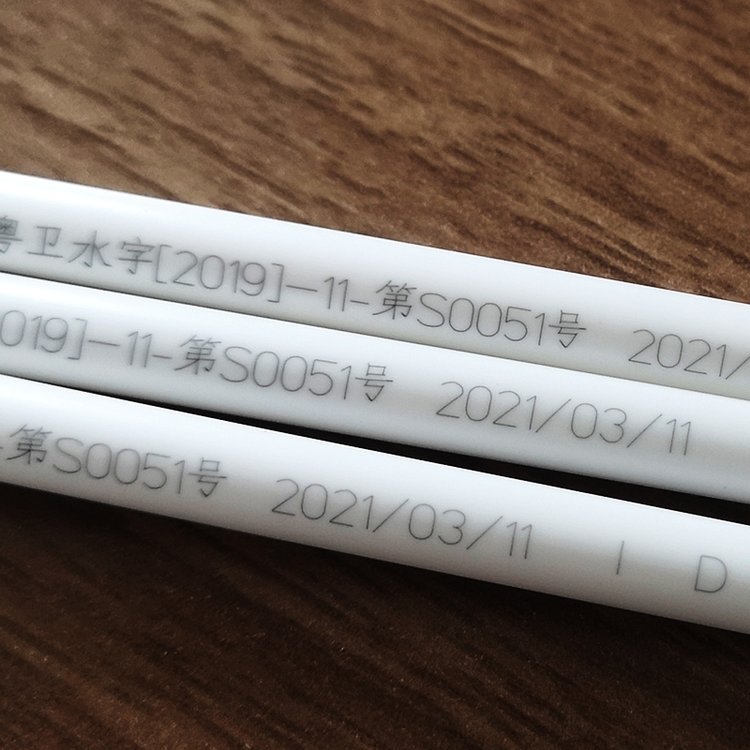
4. Precision and Aesthetics Lasers produce crisp, high-resolution marks (logos, 2D codes, fine text) without distortion. On light plastics, foaming creates raised, legible marks; on darker ones, carbonization delivers deep contrast.
5. Eco-Friendly and Clean Operation: No solvents, minimal fumes (with proper extraction), and no ink waste. This supports sustainability goals and reduces workplace hazards.
6. Non-Contact Process Eliminates mechanical stress on delicate plastic parts. Ideal for thin films, flexible packaging, or intricate components.
Solving Real Customer Pain Points with Laser Marking
Manufacturers frequently face these challenges with inkjet on plastics:
- Fading and Smudging: Inkjet marks degrade over time or during shipping/handling, leading to rejected batches and compliance failures. Laser marks remain readable for the product’s lifetime.
- High Maintenance Downtime: Clogged nozzles and frequent cleaning interrupt production. Laser systems require far less intervention.
- Rising Consumable Costs: Ink prices fluctuate; solvent disposal adds expense. Laser removes this variable entirely.
- Poor Adhesion on Low-Energy Plastics: Many plastics (PE, PP, TPU) resist ink without pretreatment. Lasers work directly or with minimal preparation.
- Limited Contrast on Colored Plastics: Achieving dark marks on light backgrounds or vice versa is difficult with ink. Optimized laser setups deliver excellent results.
By switching to laser, companies report reduced scrap rates, faster line speeds, and improved brand perception through professional, permanent coding.
Enhancing Laser Results on Challenging Plastics
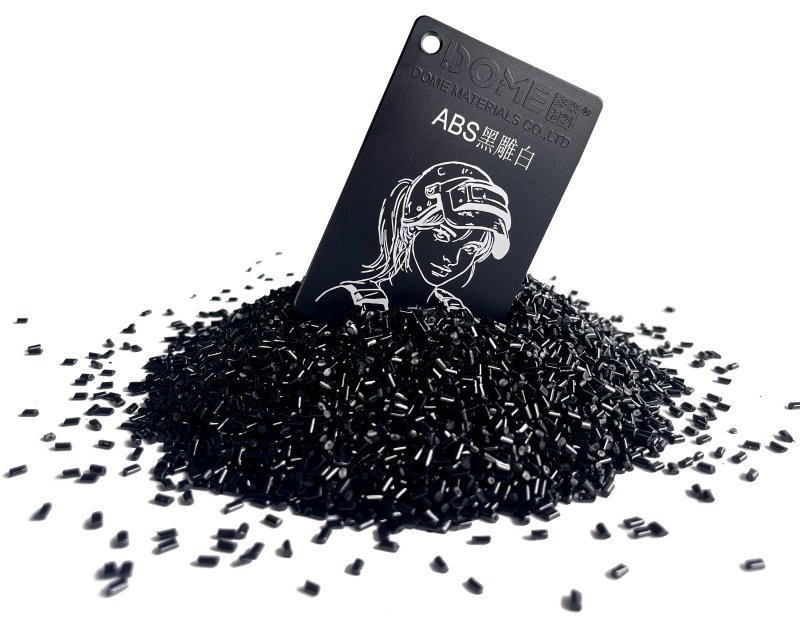
Not all plastics mark equally well due to low laser absorption. This is where laser marking additives transform outcomes. These masterbatches or powders are compounded into resins at low loadings (typically 0.3%–5%) and dramatically improve contrast, speed, and mark quality without significantly altering base color or mechanical properties.
Why Choose DOME Materials for Laser Marking Additives and Solutions
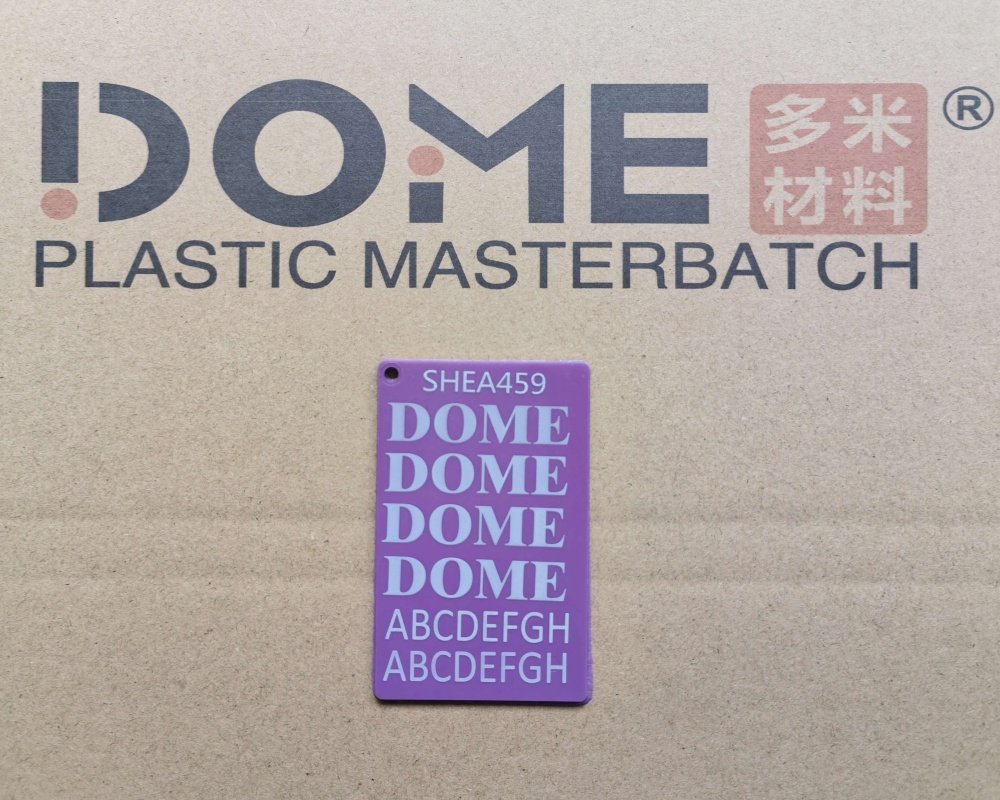
For manufacturers seeking optimal results, DOME Materials stands out as a trusted partner with over 16 years of expertise in plastic laser marking solutions. They offer a comprehensive range of high-performance laser marking additives and masterbatches compatible with diverse polymers, including ABS, PA/Nylon, PC, PET, PE, PP, TPU, TPE, POM, PBT, PVC, and more.
DOME Materials Advantages:
- Exceptional contrast between light and dark plastics.
- Tailored formulations for fiber and UV lasers.
- One-stop solutions: additives, technical guidance on parameters, sampling, and custom compounding.
- Cost-effective dosages that boost productivity and reduce cycle times.
- Proven across industries requiring durable, high-quality marks.
By incorporating DOME laser additives, even difficult materials achieve sharp, permanent marks that outperform inkjet in every key metric. Their team provides free samples and application support to ensure seamless integration into your existing process.
Conclusion: Make the Smart Switch to Laser Marking
While inkjet printing serves basic needs with lower entry costs, laser marking on plastics delivers clear superiority in durability, operating efficiency, precision, and sustainability. For forward-thinking manufacturers focused on long-term reliability and cost control, laser technology—enhanced by quality additives—represents the future of plastic marking.
Ready to eliminate ink-related headaches and achieve permanent, professional results? Contact DOME Materials today for expert consultation, samples of their laser marking additives, and customized solutions tailored to your specific plastic applications. Upgrade your marking process and gain a competitive edge in quality and efficiency.