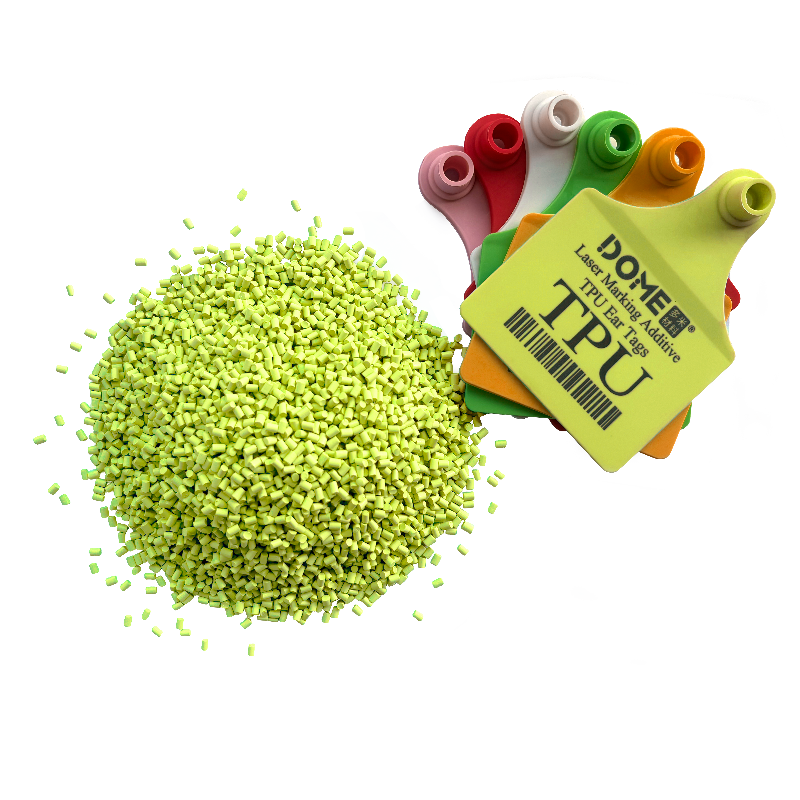
As someone deeply involved in polymer materials and masterbatch formulation, I’ve witnessed how TPU color masterbatch can make or break production runs. TPU (Thermoplastic Polyurethane) offers exceptional elasticity, abrasion resistance, and versatility, but achieving consistent coloring and performance requires masterbatch with precise processing compatibility.
This in-depth guide explores the core processing characteristics of TPU masterbatch and its mainstream applications across industries like livestock ear tags, wire and cable, automotive, and packaging. Whether you’re optimizing production efficiency or selecting materials for specific end-use demands, understanding these factors helps reduce defects, boost throughput, and deliver superior product quality.
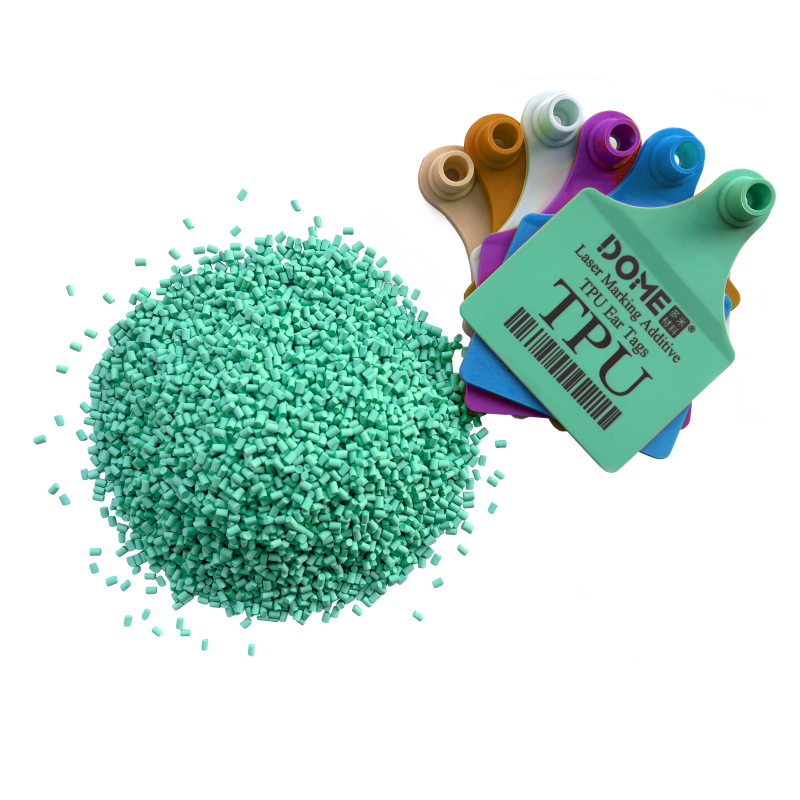
Why TPU Masterbatch Processing Adaptability Matters
TPU masterbatch processing directly influences production efficiency, defect rates, and final product quality. Poor compatibility leads to issues like color streaks, incomplete dispersion, or thermal degradation—resulting in rework, downtime, and compromised performance.
Optimized masterbatch ensures:
- Uniform pigment distribution without affecting TPU’s mechanical properties
- Seamless integration across injection molding, extrusion, and blow molding
- Batch-to-batch consistency for scalable manufacturing
As TPU expands into demanding sectors, mastering these characteristics becomes essential for competitiveness.
Core Processing Characteristics of TPU Color Masterbatch
TPU masterbatch performance hinges on four key properties: dispersibility, processing temperature adaptability, flowability, and stability. These determine how well the masterbatch integrates with TPU resins during processing.
1. Dispersibility – Ensuring Uniform Coloring and Structural Integrity
Dispersibility measures how evenly pigments disperse within the TPU matrix.
- Poor dispersibility causes color spots, streaks, haze, or stress concentrations → leading to aesthetic flaws and potential mechanical failures (e.g., cracking under load).
- Excellent dispersibility (achieved via twin-screw extrusion, optimized pigment particle size, and compatible carriers) delivers vibrant, uniform color while preserving TPU’s elasticity and strength.
In practice, high-quality masterbatch minimizes rework by 50-70% in color-critical applications.
2. Processing Temperature Adaptability – Matching TPU’s Thermal Window
TPU typically processes at 160–220°C, varying slightly between polyester-based and polyether-based grades.
- Masterbatch must melt quickly and remain stable within this range.
- Insufficient heat resistance → decomposition, odors, yellowing, or impurities.
- Excessive heat resistance → incomplete melting and poor fusion.
Custom formulations target specific TPU types, preventing defects and maintaining high throughput.
3. Flowability – Balancing Efficiency and Precision
Flowability controls melt behavior during processing.
- Low flow → slow filling, higher energy use, molding defects.
- Excessive flow → flash, dimensional instability.
Optimized masterbatch (via carrier resin and additive tuning) suits diverse processes:
- High flow for fast-cycle injection molding
- Controlled flow for precise extrusion
This balance improves cycle times and part consistency.
4. Stability – Guaranteeing Batch-to-Batch Consistency
Stability ensures color, dispersion, and properties remain uniform across production runs.
Key enablers:
- Strict raw material lot control (pigments, carriers, additives)
- Standardized extrusion parameters (temperature, screw speed, feed rate)
High stability reduces quality variations, lowers reject rates, and minimizes customer complaints in high-volume applications.
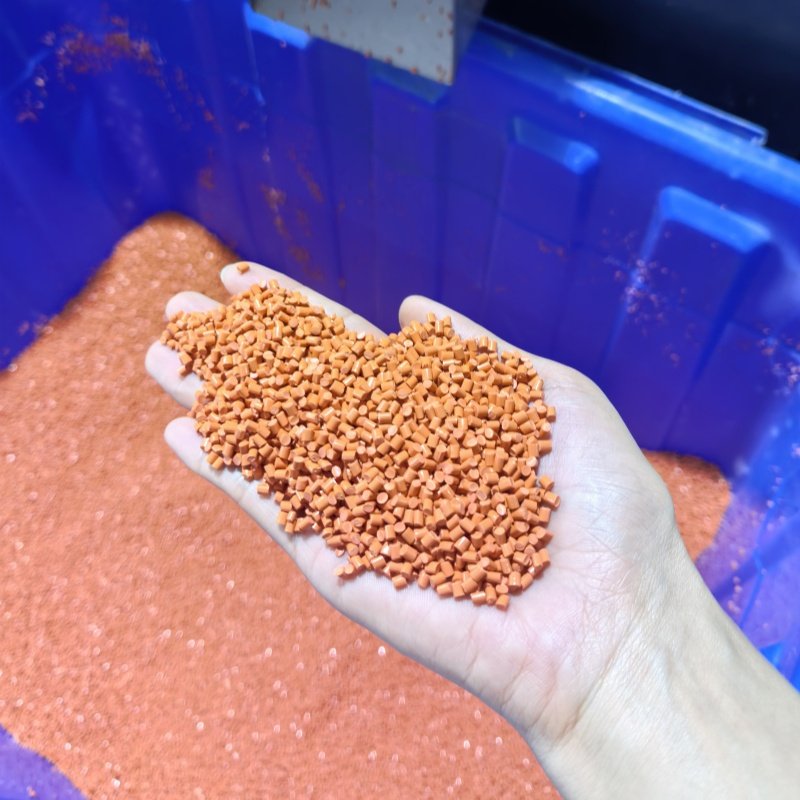
Mainstream Applications of TPU Color Masterbatch by Industry
Different industries impose unique demands on TPU masterbatch, from regulatory compliance to environmental resistance.
Livestock Ear Tags – Biocompatibility and Extreme Weather Resistance
Ear tags face direct animal contact and harsh outdoor conditions (UV, rain, temperature swings).
Key requirements:
- Excellent biocompatibility (non-toxic, non-irritating)
- Superior UV and weathering resistance to prevent fading or embrittlement
- High dispersibility for spot-free injection molding
- Toughness to resist tearing or detachment
Masterbatch here prioritizes long-term color retention and animal safety.

Wire and Cable – Weatherproofing and Electrical Compatibility
TPU excels in cable sheathing due to its insulation and abrasion properties.
Essential traits:
- Anti-UV and anti-aging performance for outdoor durability
- No negative impact on dielectric strength
- Excellent flow and stability for high-speed extrusion
- Uniform dispersion to avoid insulation weak points
These ensure reliable performance in demanding environments.
Automotive – Eco-Compliance, Durability, and Aesthetics
Used in interior trims, seals, and exterior accents.
Core demands:
- Compliance with RoHS, REACH (low VOCs, heavy metals)
- Resistance to oils, high/low temperatures, and staining
- Migration-free coloring for cleanability
- Precision molding for tight tolerances and a premium finish
Masterbatch supports both functional durability and visual appeal.
Packaging – Food Safety and Migration Resistance
Applied in food-contact films, containers, and premium packaging.
Primary focuses:
- Food-grade certification (FDA/EU 10/2011 compliant)
- Low-migration pigments to prevent contamination
- Vibrant, uniform color for branding
- Balanced flow for blow molding or thermoforming
Cost-effectiveness combines with safety and aesthetics.
Other Emerging Industries
- Medical — Biocompatible tubing, devices (sterilizability, non-toxic)
- Sports & Leisure — Footwear, grips (color fastness, flexibility)
- Industrial Tubing — Chemical and abrasion resistance
These drive customization toward specialized formulations.
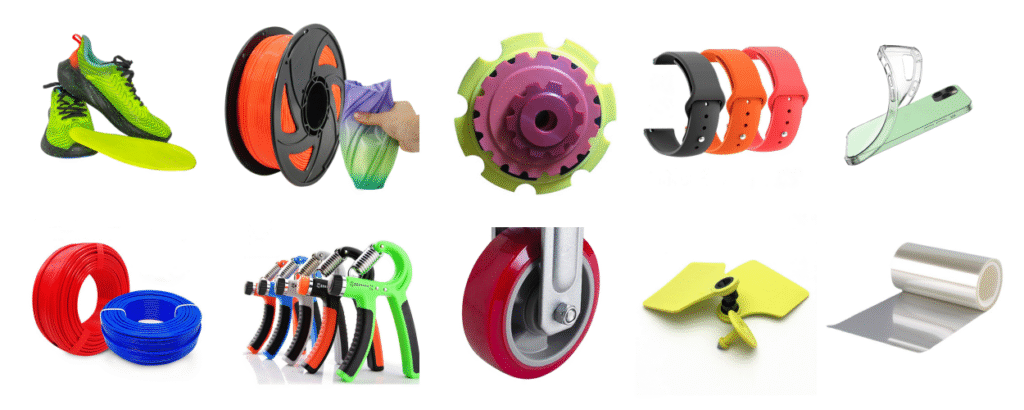
Processing Technique Adaptations for Industry-Specific Needs
| Industry | Primary Process | Key Masterbatch Adjustments | Benefits Achieved |
|---|---|---|---|
| Livestock Ear Tags | Injection Molding | Higher flowability, optimized dispersion | Defect-free surfaces, fast cycles |
| Wire & Cable | Extrusion | Superior stability, controlled flow | High-speed lines, minimal waste |
| Automotive | Injection/Extrusion | Temperature match, migration resistance | Precision parts, long-term stability |
| Packaging | Blow/Thermoforming | Balanced flow, low migration | Uniform thickness, compliant aesthetics |
Always match masterbatch to TPU type (polyester vs. polyether) for optimal compatibility.
Conclusion: Synergizing Processing Excellence with Industry Demands
TPU color masterbatch thrives when processing characteristics align closely with application needs. Superior dispersibility, thermal adaptability, flowability, and stability enable manufacturers to achieve higher efficiency, fewer defects, and better end-product performance.
As industries push for more sustainable, durable, and customized TPU solutions, masterbatch innovation—toward tailored, high-performance grades—will continue expanding possibilities. Selecting or developing the right masterbatch isn’t just technical—it’s a strategic advantage for quality and growth.