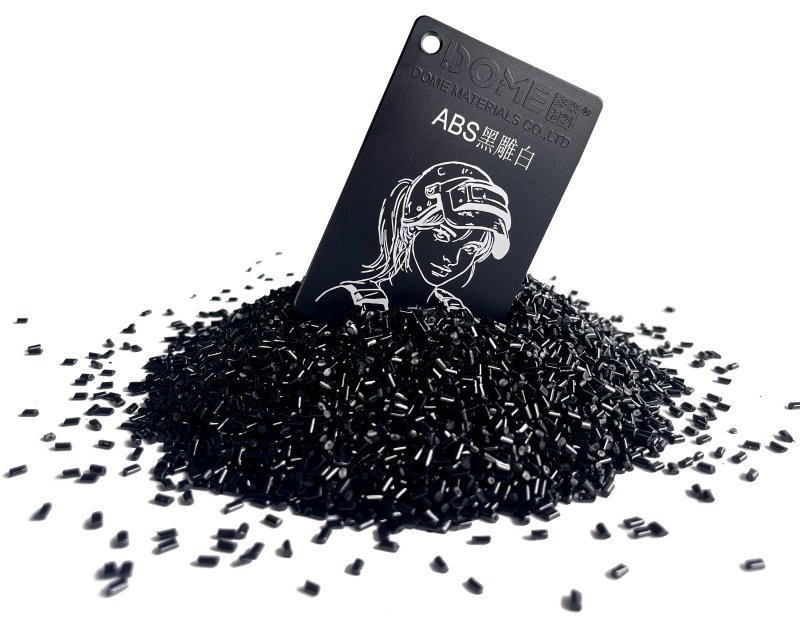
Common Problems with Plastic Laser Marking (Bubbling, Unclear Marks, Burning) and Effective Solutions
Laser marking has become a preferred method for adding permanent identification, logos, barcodes, and traceability information to plastic parts. It is fast, contactless, and eco-friendly compared to traditional printing or labeling. However, many manufacturers encounter frustrating issues when marking common plastics like PP (Polypropylene), PA (Polyamide/Nylon), ABS, PC (Polycarbonate), TPU, PE (Polyethylene), POM, and PBT. Problems such as bubbling, unclear or low-contrast marks, and burning often lead to rejected parts, production delays, and increased costs.
This article explores these common challenges, their root causes across different materials, practical solutions, and how laser marking additives (also known as laser marking masterbatches) can resolve them effectively. If you struggle with inconsistent marking results, this guide offers actionable insights to optimize your process and meet customer demands for high-quality, durable marks.
Why Plastic Laser Marking Is Challenging
Plastics have low thermal conductivity and varying absorption rates for laser wavelengths (typically fiber lasers at 1064nm). Without proper preparation, the laser energy can cause uncontrolled melting, charring, or insufficient reaction, leading to defects. Factors like material color, fillers (e.g., glass fiber), flame retardants, and surface conditions complicate the process further.
Common Problems in Plastic Laser Marking
1. Bubbling or Foaming (Blistering)
Bubbling occurs when rapid heating causes gas formation or material expansion beneath the surface, creating raised, uneven bubbles. This is common in materials with high moisture content or certain additives.
- Affected Materials: PP, PE, TPU, and POM are particularly prone due to their lower melting points and sensitivity to heat buildup.
- Causes: Excessive laser power, slow marking speed, incorrect frequency, or poor material drying.
- Impact: Ruins aesthetics and readability, especially on seals, ear tags, or consumer goods.
2. Unclear or Low-Contrast Marks
Marks appear faint, blurry, or grayish with poor legibility. This is one of the most frequent complaints.
- Affected Materials: Light-colored or white PP, PE, PA, PC, and fiber-filled grades (e.g., PA+GF, PBT). Transparent or translucent plastics also struggle because they transmit rather than absorb laser energy.
- Causes: Insufficient laser absorption, wrong focus, high speed/low power, surface contaminants (oil, dust), or incompatible material formulation.
- Impact: Fails quality checks for barcodes, serial numbers, or regulatory markings in automotive, electronics, and medical industries.
3. Burning, Charring, or Melting
Overheating leads to dark, scorched areas, melting, warping, or discoloration halos.
- Affected Materials: ABS, PC, PA66, and PBT can burn easily; TPU and PE may melt or deform.
- Causes: High power, low speed, multiple passes without cooling, or a defocused beam. Dark-colored plastics absorb more energy and overheat quickly.
- Impact: Weakens structural integrity, creates toxic fumes (especially with certain plastics), and damages part appearance.
Other issues include inconsistent depth, halo effects, and poor durability under abrasion or chemicals.
Material-Specific Challenges
- PP and PE: Low absorption leads to faint marks or melting. Foaming is common without additives.
- PA (Nylon): Glass-filled versions scatter energy; the burning risk is high.
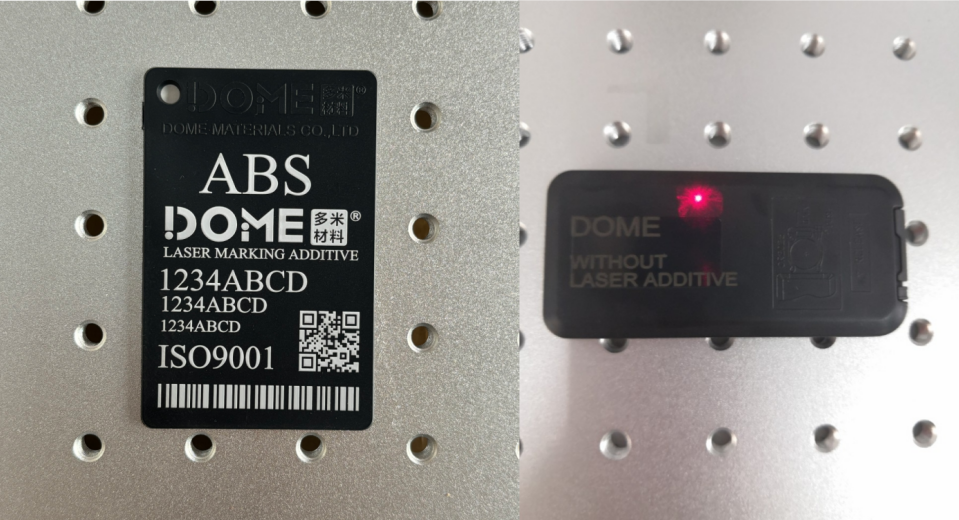
- ABS and PC: Good for dark marks but prone to charring and halos.
- TPU: Flexible but heat-sensitive; bubbling is frequent in soft grades.
- POM and PBT: Crystalline structure affects contrast; engineering applications demand precision.
These plastics are widely used in automotive parts, electronics housings, medical devices, cables, and packaging—where reliable marking is critical for traceability and compliance.
Effective Solutions for Laser Marking Problems
Optimizing laser parameters (power, speed, frequency, focus) is the first step. Clean surfaces thoroughly and ensure materials are dry. For stubborn issues, adjust to UV lasers for some plastics or use multiple low-power passes.
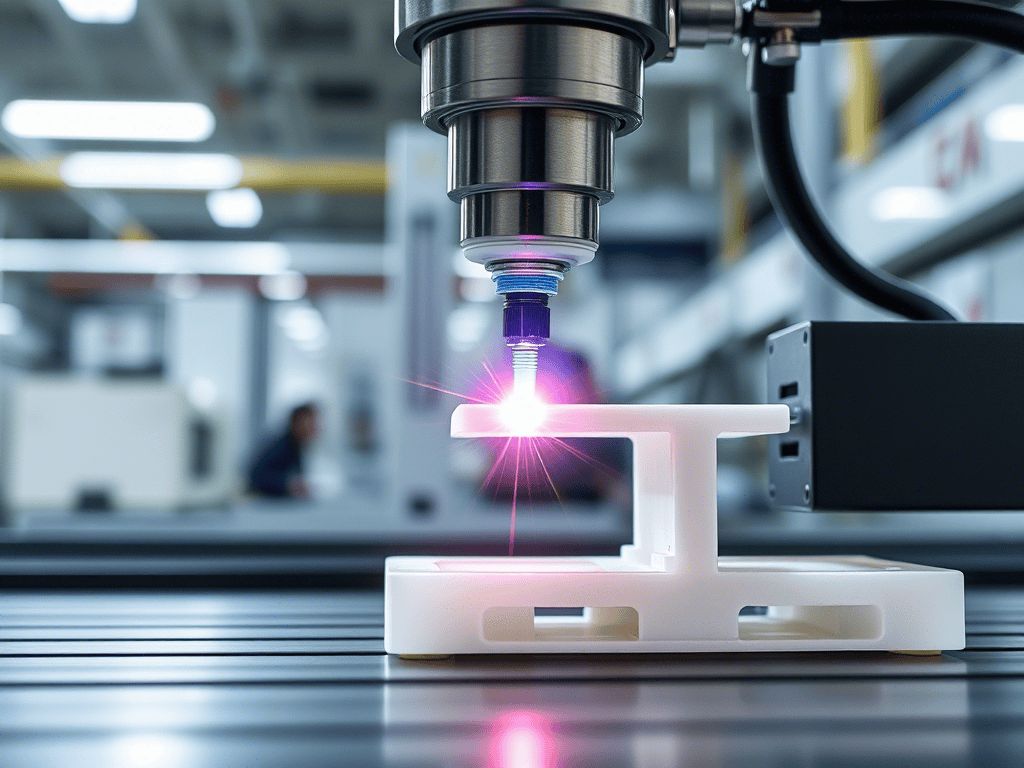
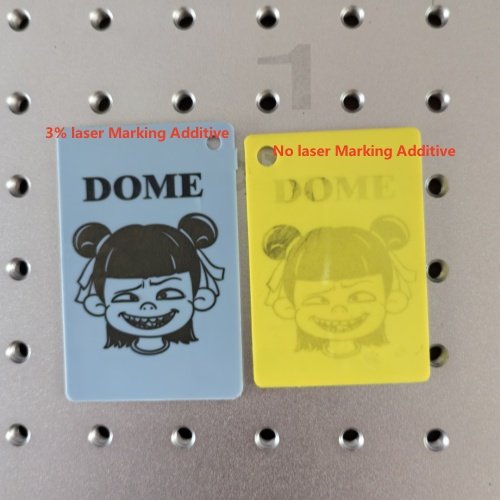
However, the most reliable and scalable solution is incorporating laser marking additives. These masterbatches enhance laser absorption, enabling precise chemical or thermal reactions (foaming for light marks, carbonization for dark marks) at lower energy levels. This widens the processing window, reduces defects, and improves speed.
Benefits of Laser Marking Additives:
- High-contrast, permanent marks (white on black or dark on light).
- Reduced power needs → less burning and bubbling.
- Faster marking speeds and higher throughput.
- Compatibility with existing injection molding or extrusion processes (dosage typically 1-3%).
- No impact on base color or mechanical properties when properly formulated.
- Eco-friendly: Eliminates inks, labels, and solvents.
Additives solve pain points for manufacturers by ensuring consistent results across batches, reducing scrap rates, and meeting strict industry standards.
DOME Materials: Your Partner for Optimized Laser Marking Solutions
For a proven, one-stop solution tailored to PP, PA, ABS, PC, TPU, PE, POM, PBT, and more, DOME Materials stands out as a specialist in laser marking additives.
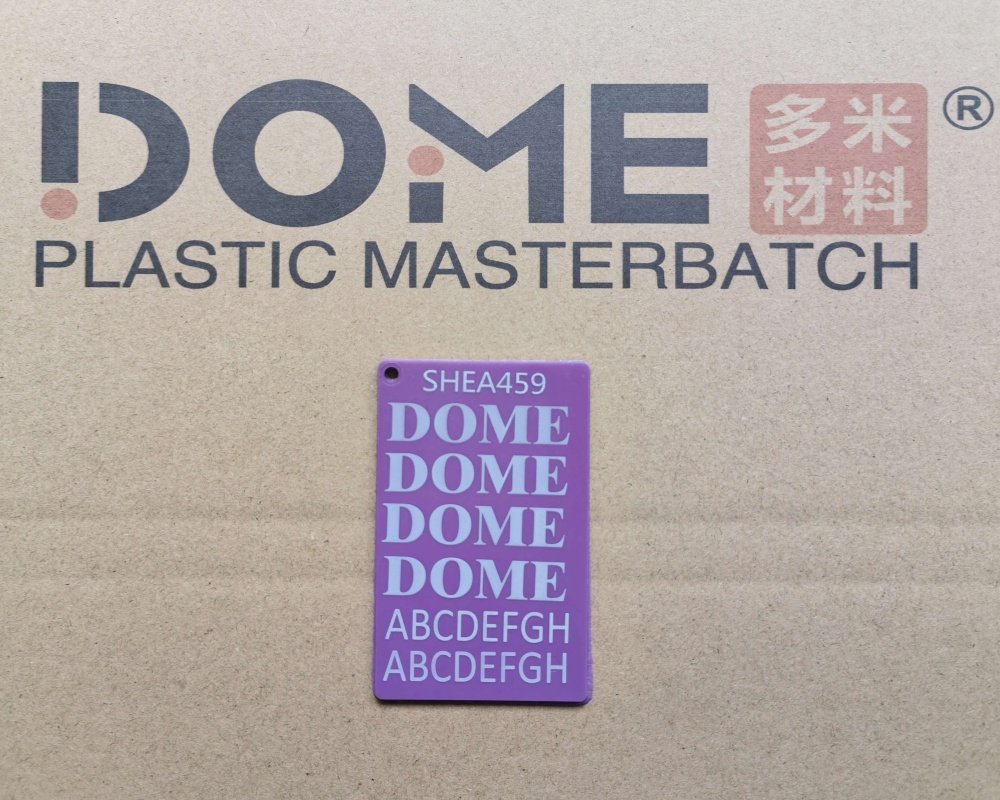
DOME offers specialized masterbatches for:
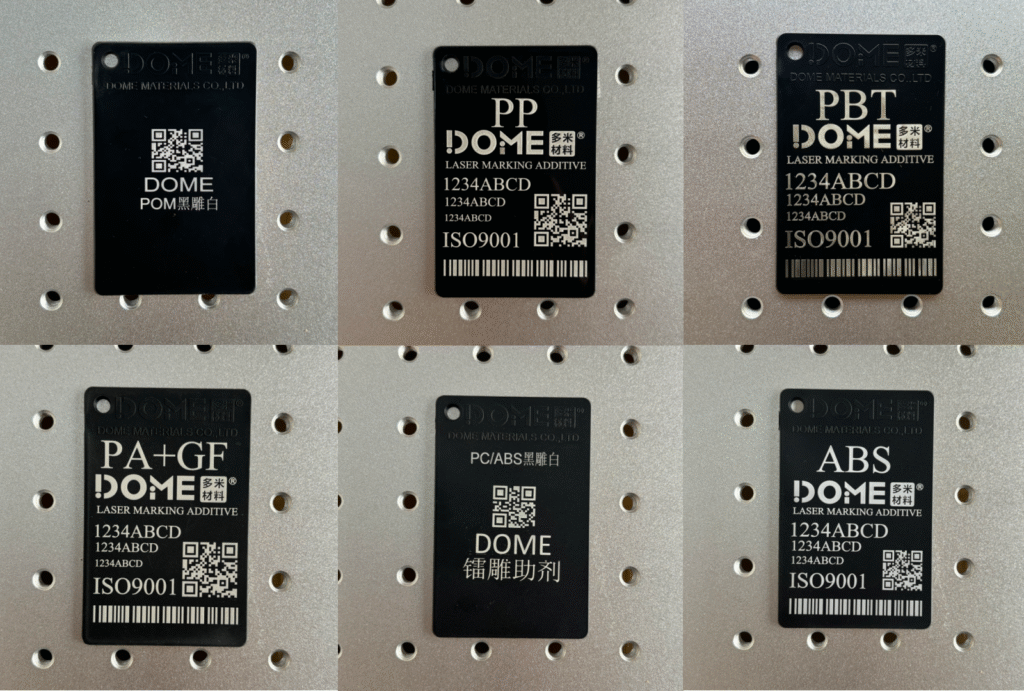
- White marks on black/dark polymers (e.g., ABS, POM, PBT, PC/ABS).
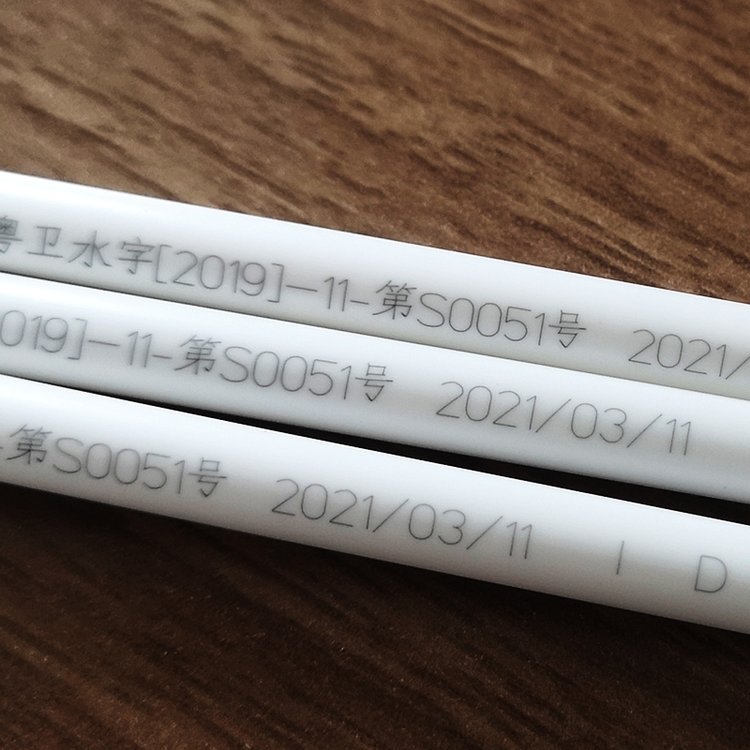
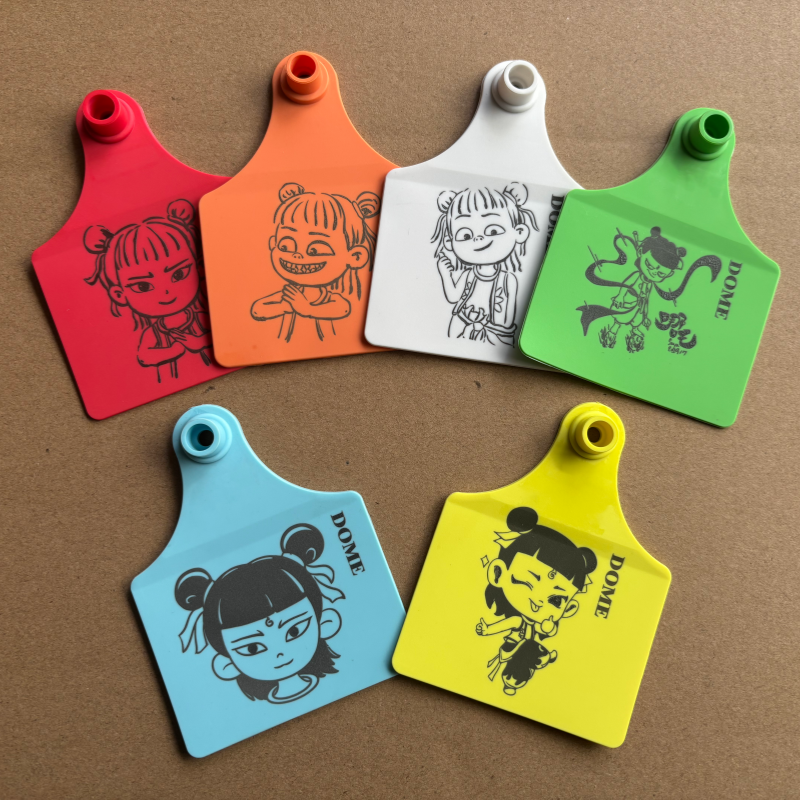
- Dark marks on light/colored polymers (e.g., PP, PE, PC, TPU, PA66).
Their additives deliver sharp contrast, excellent durability, and compatibility with fiber lasers. Customers in automotive, electronics, medical, and packaging sectors benefit from free samples, technical guidance on parameters, and customized formulations.
By choosing DOME, you address core customer pain points: unreliable marking that causes delays, high defect rates, and compliance risks. Their solutions improve product quality, traceability, and production efficiency—ultimately boosting your competitiveness.
Real-World Results: Manufacturers report up to 20-30% faster marking, drastically reduced bubbling/burning, and clearer codes that pass vision inspection systems every time.
Best Practices for Success
- Test small batches with recommended additives.
- Match carrier resin to your base material.
- Collaborate with experts like DOME for parameter optimization.
- Maintain equipment and ensure proper ventilation.
Conclusion: Overcome Plastic Laser Marking Challenges Today
Bubbling, unclear marks, and burning no longer need to slow down your production. By understanding material behaviors and leveraging advanced laser marking additives, you can achieve professional, permanent results on PP, PA, ABS, PC, TPU, PE, POM, PBT, and beyond.
DOME Materials provides practical, high-performance solutions that directly solve your operational pain points—delivering reliability, cost savings, and superior quality your customers demand. Ready to optimize your laser marking process? Explore DOME’s range of laser marking masterbatches and request a sample to see the difference.
Contact DOME Materials today for expert advice and start marking with confidence. Your path to defect-free, high-contrast plastic laser marking starts here.
Keywords: plastic laser marking problems, laser marking additives, PP laser marking, ABS marking solutions, DOME Materials laser masterbatch, avoiding burning in laser marking plastics.