Technical Challenges: Dispersion, Color Consistency & Import Reliance
Poor dispersion tops the list. Oversized pigments, weak dispersants, or uneven shear cause streaks, specks, surface defects, and reduced mechanical strength in foams, films, or cables.
Batch-to-batch color variation arises from temperature swings, inconsistent mixing, pigment instability, or lax process controls—driving up rework, scrap, and customer complaints.
High-end functional grades (extreme UV/heat resistance, flame retardant, antimicrobial) often depend on imports, as domestic capabilities lag in advanced recipes and precision manufacturing.
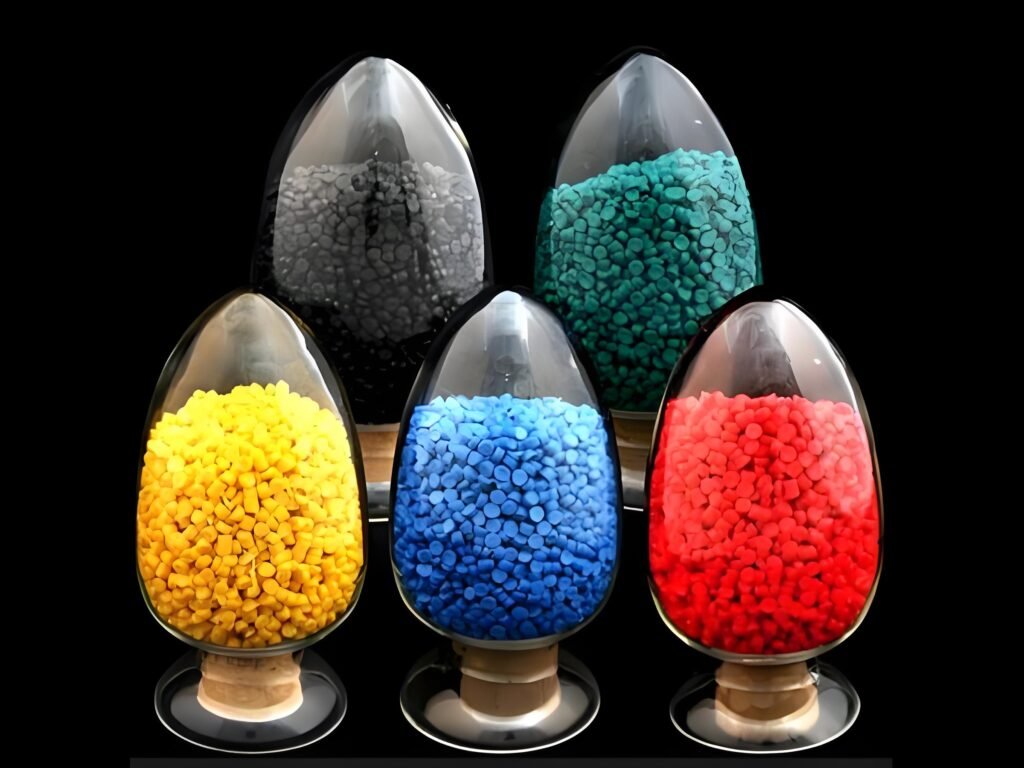
Environmental & Regulatory Pressures
Tightening global standards (RoHS, REACH, FDA, GB) ban heavy metals, restrict volatiles, demand low/no migration, halogen-free, and odor-free products. Many producers still use cheaper non-compliant materials to compete on price—risking rejections, recalls, or market bans.
Eco-friendly pigments/additives raise costs, creating a tough “green vs. low-price” tradeoff in a margin-squeezed market.
Market & Competitive Issues
Homogenization dominates mid/low-end segments—similar basic formulas and processes lead to commoditization. Aggressive low-price competition erodes margins, forces quality compromises (reduced pigment loading, inferior carriers), and results in inconsistent performance that hurts buyer confidence.
Application-Specific Gaps
Specialized demands—ultra-weathering for PV encapsulants, zero-migration for food-grade, high-heat/chemical stability, multi-functionality—exceed standard offerings. Downstream upgrades expose these limitations, restricting entry into high-value niches.
Practical Solutions to Overcome EVA Masterbatch Pain Points
Technical Improvements: Enhance Dispersion & Reduce Variation
- Upgrade formulations: finer pigments, high-performance dispersants, matched carriers.
- Invest in equipment: advanced twin-screw extruders with tight temperature/speed control, automated systems, and real-time monitoring.
- Target R&D breakthroughs: nano-aids or optimized shear for better dispersion at lower loadings—cutting import dependency.
Environmental Compliance Strategies
- Shift to green raw materials: halogen-free, heavy-metal-free, bio-based where viable.
- Build sustainable operations: closed-loop processes, emission/waste reduction.
- Offset costs: scale efficiencies, premium pricing for certified eco-grades, value-based selling.
Market Differentiation Tactics
- Move beyond price wars: specialize in niches (e.g., PV UV masters, odor-free baby/foam grades, antimicrobial cables).
- Strengthen branding: share test data, certifications, and case studies.
- Foster partnerships: co-develop with downstream clients for locked-in loyalty.
Tailored Application Development
- Perform deep audits of client needs.
- Create dedicated lines: high-weathering for solar, migration-free for packaging.
- Validate rigorously: lab tests + field trials.
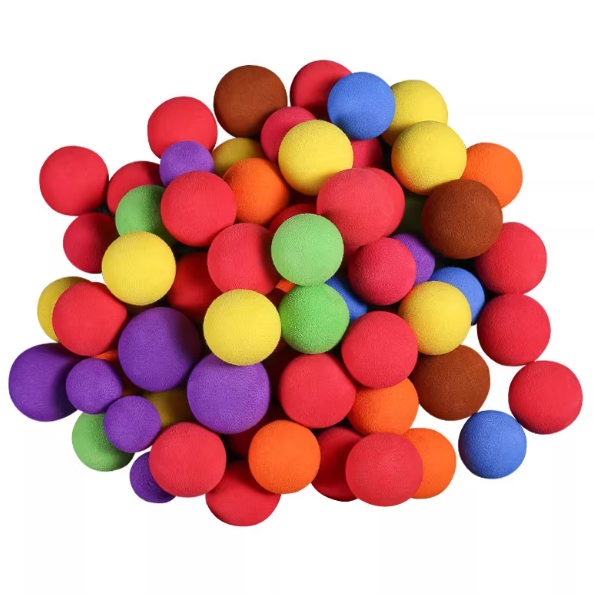
Key Future Trends in EVA Color Masterbatch (2026–2030+ Outlook)
Environmentalization as the Dominant Direction
Halogen-free, heavy-metal-free, low-migration, recyclable/bio-based formulations will become standard. Stricter regulations and buyer sustainability demands accelerate the decline of non-compliant players. Green production and circular practices turn into major competitive advantages.
Rise of High-Performance & Multi-Functional Grades
Demand grows for advanced functions: flame retardant, UV/antimicrobial, antistatic, conductive/heat-dissipating. These premium products serve EVs, renewables, and medical/high-end packaging—offering higher margins and differentiation.
Customization & Bespoke Solutions
Generic masters lose ground; tailored options (exact shades, performance tweaks for specific resins/processes/end-uses) become essential for client retention and premium positioning.
Integrated Supply Chain & Collaboration
Stronger links with upstream (resins/pigments) and downstream (EVA product makers) enable stable quality, co-innovation, and end-to-end solutions—from raw materials to finished colored parts.
Growth Opportunities Driven by Downstream Industry Upgrades
- Photovoltaics boom: High-durability, UV-stable encapsulant masters for solar modules.
- EV & automotive shift: Eco-compliant, flame-retardant cable/interior masters.
- Premium packaging, fitness, toys: Odor-free, safe, high-performance options.
These trends create niches for innovative suppliers focused on sustainability and functionality.
Summary: Solving Pain Points Is the Path to Leadership
EVA color masterbatch faces real hurdles—dispersion difficulties, regulatory squeezes, price competition, adaptation gaps—but these are addressable through targeted R&D, green transitions, specialization, and client collaboration. Companies that embrace environmental, functional, customized, and integrated trends will capture growing demand from upgrading downstream sectors.
I’ve spent years solving these exact issues—developing compliant, high-dispersion, custom EVA masterbatch that helps clients upgrade quality and profitability. If dispersion failures, compliance stress, or special-application needs are holding you back—contact me. Let’s review your challenges, explore proven fixes, and discuss tailored solutions or samples to move your production forward.