The Materials Science Behind TPU Ear Tags: Why Polyether TPU Reigns Supreme
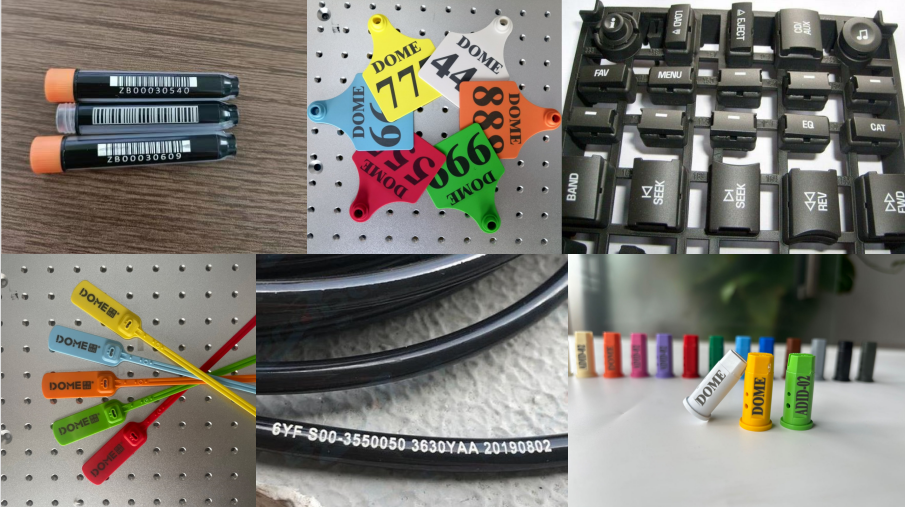
In modern livestock farming, TPU ear tags are indispensable tools for achieving precise, digital animal management. Each tag serves as a livestock “ID card,” recording critical data such as breed, birth date, vaccination history, and growth trajectory. This information empowers farmers with comprehensive insights to make science-based decisions, boost efficiency, and enhance product quality. For instance, analyzing ear tag data enables early detection of health issues, timely feed adjustments to reduce mortality, and optimized breeding plans to improve reproduction success rates.
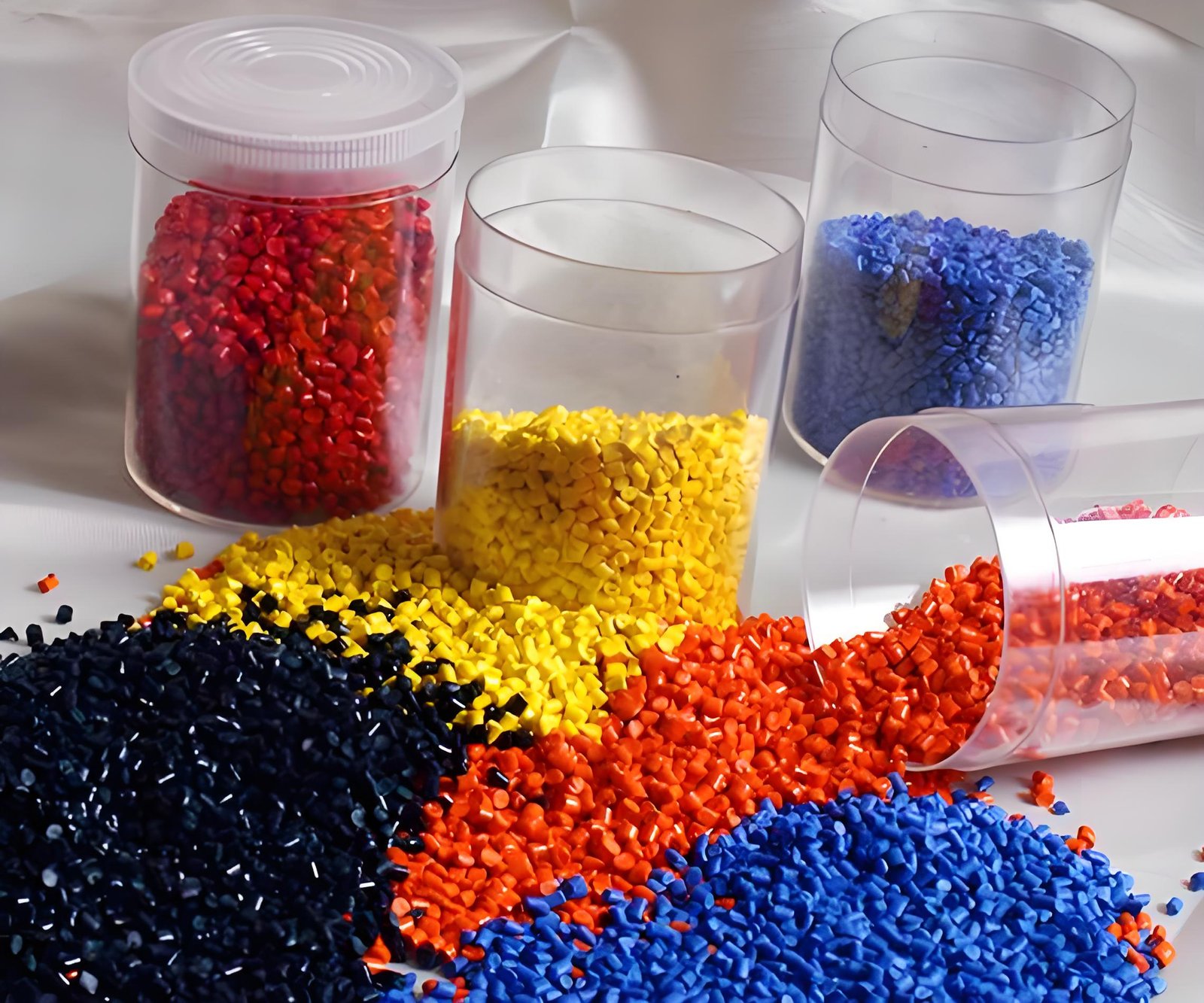
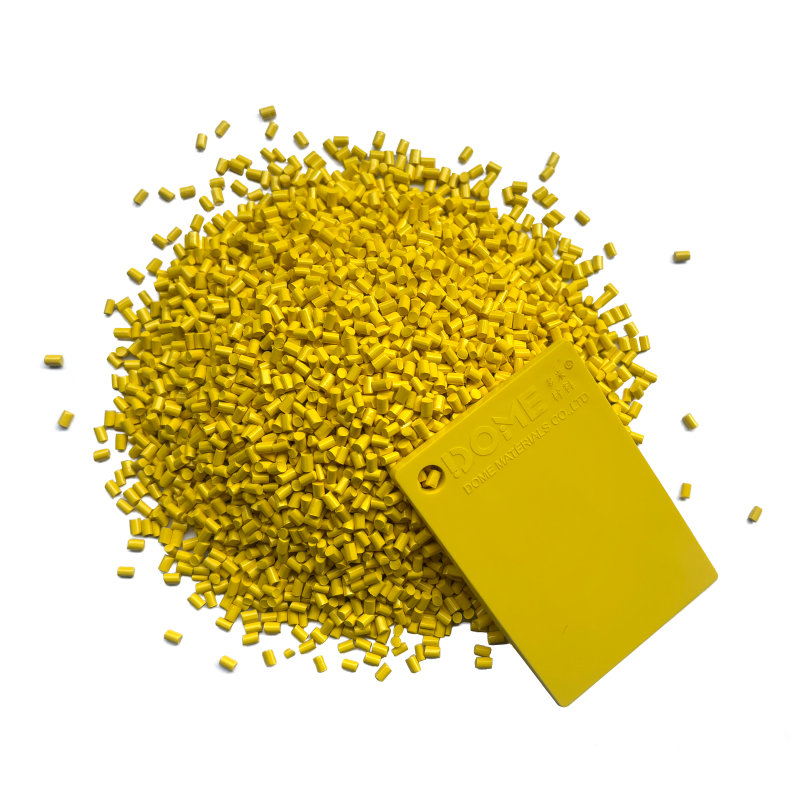
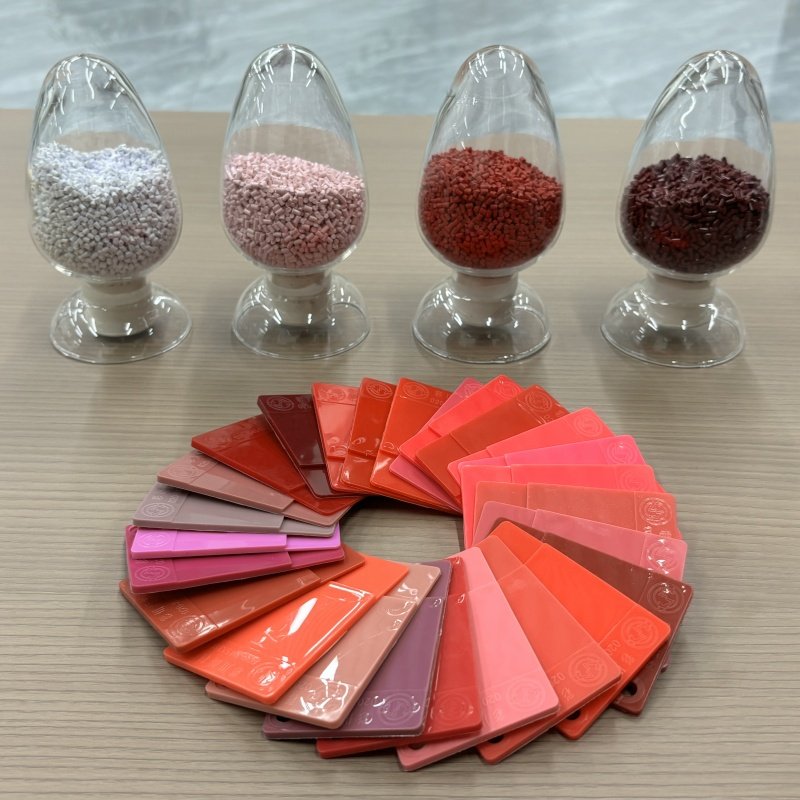
At the heart of these high-performance ear tags lies TPU color masterbatch. It not only imparts vibrant, varied colors for easy identification across farms but also significantly influences the tag’s physical properties, chemical stability, and lifespan. A well-formulated TPU color masterbatch ensures tags retain vivid colors and readability under harsh outdoor conditions, while enhancing resistance to hydrolysis, microbial attack, and UV radiation—ultimately extending service life and supporting sustainable livestock operations.
Polyester vs. Polyether TPU: A Head-to-Head Performance Breakdown
When selecting TPU for ear tag color masterbatches, polyester and polyether variants stand as two distinct camps, each with unique strengths. Let’s dive into a detailed comparison across key performance dimensions to guide smarter application choices.
(1) Hydrolysis and Microbial Resistance
Polyester TPU acts like a delicate guest in humid environments. Exposed to sweat, rain, or manure, it readily undergoes hydrolysis, softening and losing strength over time—affecting tag durability. Extra additives are often required to combat microbes, raising costs and potentially compromising other properties.
Polyether TPU, by contrast, is a resilient guardian. Its molecular structure resists moisture inherently, maintaining stability in wet conditions without succumbing to microbial erosion. This makes it the standout choice for damp farming settings, ensuring long-term reliability.
(2) UV and Weather Resistance
Polyester TPU is UV-sensitive, akin to skin prone to sunburn. Prolonged exposure causes yellowing, brittleness, and performance decline, necessitating UV stabilizers as a “sunscreen” to shield polymer chains.
Polyether TPU boasts a natural protective shield, excelling in UV and oxidation resistance. It preserves color vibrancy and clarity outdoors, enhancing tag applicability in diverse climates and ensuring consistent readability for farmers.
(3) Low-Temperature Flexibility
At -30°C, polyester TPU stiffens as molecular movement slows, risking cracks or breaks during application.
Polyether TPU shines in extreme cold, retaining elasticity down to -40°C or -50°C—like a stretchy rubber band. This superior low-temperature toughness supports reliable use in wintery regions without performance loss.
(4) Abrasion and Tear Strength
Polyester TPU leads here, with tensile strength of 30–45 MPa and tear strength of 120–180 kN/m, ideal for high-stress industrial uses like conveyor belts. In ear tags, however, mechanical demands are milder, diminishing this edge.
Polyether TPU (25–35 MPa tensile, 90–140 kN/m tear) adequately meets tag requirements without overkill.
(5) Chemical Resistance
Polyester TPU excels against oils and fuels, like sturdy protective gear—perfect for chemical-exposed industrial settings.
Polyether TPU is weaker against certain solvents, potentially swelling and affecting dimensional stability. In livestock ear tags, chemical contact is minimal, rendering this drawback negligible.
(6) Skin Contact Safety for Animals
Polyester TPU hydrolysis byproducts can irritate animal skin, risking discomfort or inflammation with prolonged wear.
Polyether TPU offers excellent biocompatibility—non-irritating and low-odor, providing gentle, skin-friendly contact. This ensures animal welfare, making it the preferred option for ear tags.
(7) Color Stability
Even with UV masterbatches, polyester TPU shows noticeable fading outdoors over time, impacting clarity and aesthetics.
Polyether TPU maintains exceptional stability for 2+ years, resisting yellowing and keeping colors sharp for reliable, long-term identification.
(8) Processability and Cost
Polyether TPU’s higher melt flow index (MFI) enables better mold filling, shorter cycles, and higher efficiency. Polyester TPU requires longer cooling due to lower MFI.
Cost-wise, polyester is 10–15% cheaper. Yet, polyethers’ superior longevity and performance deliver better overall value in ear tag applications.
Below is a side-by-side comparison of Polyester TPU vs Polyether TPU focused on animal ear tag applications (95A hardness, injection-molded, outdoor exposure, animal contact). Data is aggregated from leading TPU suppliers (BASF, Covestro, Lubrizol, Wanhua, Resmart) and field studies on livestock tags.
| Property / Requirement | Polyester TPU | Polyether TPU | Winner for Animal Ear Tags |
|---|---|---|---|
| Hydrolysis Resistance | Poor to moderate Degrades in humid/wet environments (sweat, rain, manure) | Excellent Resists microbial attack & moisture | Polyether |
| UV / Weather Resistance | Good (with stabilizers) | Superior (inherent resistance to oxidation) | Polyether |
| Low-Temperature Flexibility | Good (-30°C) | Excellent (-40°C to -50°C) | Polyether |
| Abrasion / Tear Strength | Higher (30–45 MPa tensile, 120–180 kN/m tear) | Moderate (25–35 MPa tensile, 90–140 kN/m tear) | Polyester |
| Chemical Resistance (oils, fuels) | Excellent | Moderate (swells in some solvents) | Polyester |
| Microbial / Fungal Resistance | Moderate (needs additives) | Inherent (polyether backbone resists fungi/bacteria) | Polyether |
| Animal Skin Contact / Irritation | Slightly higher risk (hydrolysis byproducts) | Non-irritating, low odor | Polyether |
| Color Stability (outdoor 2+ years) | Good with UV masterbatch | Best-in-class (less yellowing) | Polyether |
| Processing (MFI, cycle time) | Slightly lower MFI, longer cooling | Higher flow, shorter cycles | Polyether |
| Cost (per kg) | Lower (~10–15% cheaper) | Higher | Polyester |
| Typical Field Life (ear tags) | 1–3 years (fails in wet climates) | 5–7+ years (global standard) | Polyether |
Verdict for Animal Ear Tags (95A, Outdoor, Animal Contact)
Polyether TPU is the industry standard for livestock ear tags worldwide.
Why Polyether Wins
- Hydrolysis & microbial resistance → Prevents tag cracking in humid barns, rain, or manure exposure.
- UV stability → Maintains color/legibility for 5+ years (critical for visual ID).
- Cold flexibility → Tags don’t stiffen in winter (down to -40°C).
- Animal safety → No toxic degradation products; soft & comfortable.
When Polyester Might Be Used
- Indoor/dry climate applications (rare for ear tags).
- Cost-sensitive short-life tags (<1 year).
- High mechanical abuse (e.g., industrial belts, not ear tags).
Real-World Examples
| Brand | Type | Used in Ear Tags? |
|---|---|---|
| Elastollan® 1195A (BASF) | Polyether | Yes (global leader) |
| Desmopan® 795U (Covestro) | Polyether | Yes |
| Pearlthane® D15N95 (Lubrizol) | Polyester | No (used in wheels/hoses) |
| Wanthane® WHT-1195 | Polyether | Yes |
Recommendation for Your 95A TPU Color Masterbatch
- Base Resin: Use polyether TPU carrier (e.g., Elastollan® 1195A or equivalent).
- Color Masterbatch: 2–4% loading with UV-stabilized, non-migrating pigments (e.g., Clariant REMAFIN® TPU series).
- Additives: Include hydrolysis stabilizer (e.g., Stabaxol® P) and laser marking additive for RFID/numbering.
Pro Tip: Request “polyether TPU 95A based Color Masterbatch+ Laser Marking Additive” from suppliers like Dome Materials for turnkey ear tag compounds.

Polyether TPU: The Industry Standard for Animal Ear Tags
(1) Comprehensive Performance Edge
Polyether TPU dominates in hydrolysis/microbial resistance, UV/weather durability, low-temperature flexibility, skin safety, color stability, and processability. It thrives in wet, sunny, or frigid outdoor conditions, delivering 5–7+ years of service versus polyester’s 1–3 years. This reduces replacement frequency, labor, and management costs—driving sustainable livestock farming.
(2) Real-World Success Stories
Leading brands validate polyether TPU’s excellence. BASF’s Elastollan® 1195A leads globally with outstanding abrasion resistance, elasticity, and hydrolysis stability, widely adopted in ear tags. Covestro’s Desmopan® 795U offers superior tear strength, cold flexibility, and microbial resistance—providing dependable identification solutions. These cases highlight polyether TPU’s reliability and inspire broader industry adoption.
How to Select the Right TPU Color Masterbatch
To optimize ear tags for livestock needs, consider these factors:
(1) Base Resin Selection
Prioritize polyether TPU for its hydrolysis/microbial resistance, UV stability, and cold flexibility. BASF’s Elastollan® 1195A is a proven masterbatch base that has earned market acclaim for its balanced performance.
(2) Masterbatch Properties
Choose masterbatches with UV-stable, non-migrating pigments to prevent fading or uneven coloring. Add 2–4%: too low yields pale results; too high compromises strength/flexibility. Test proportions based on color depth—higher for dark shades, lower for lighter or transparent tags.
(3) Additives Considerations
Incorporate hydrolysis stabilizers like Stabaxol® P to neutralize acid groups and extend lifespan in humidity. For RFID or laser-coded tags, add compatible laser marking additives for clear, durable engravings without affecting overall properties.
Industry Trends and Future Outlook
TPU color masterbatches are evolving toward environmental sustainability and smart integration. Biodegradable variants will decompose naturally post-use, minimizing soil/water pollution and aligning with green livestock practices. Eco-friendly production—using low-energy processes and sustainable raw materials—will further reduce environmental impact.
Intelligent tagging is the next frontier. IoT, big data, and AI integration will yield sensor-equipped TPU ear tags monitoring temperature, heart rate, and activity in real-time, transmitted wirelessly to management platforms. Farmers can track health via apps, detect issues early, and enable precision farming. GPS-enabled tags prevent losses by locating animals instantly. These advancements will propel livestock toward digital, intelligent modernization.
Conclusion
As livestock farming advances into modernization and intelligence, TPU color masterbatches play a pivotal role in animal ear tags. They enable vivid identification while elevating overall performance—forming the backbone of efficient, scientific management.
Polyether TPU stands out with unmatched hydrolysis/microbial resistance, UV durability, cold flexibility, skin safety, color stability, and processability. Though slightly pricier than polyester, its longevity and cost-effectiveness are irreplaceable.
For farmers and suppliers, prioritize base resin, pigment properties, and additives to ensure tags withstand harsh outdoor conditions. Embrace biodegradable and smart technologies to fuel sustainable growth. Let’s collaborate to innovate TPU masterbatches in ear tags, powering high-quality livestock development!