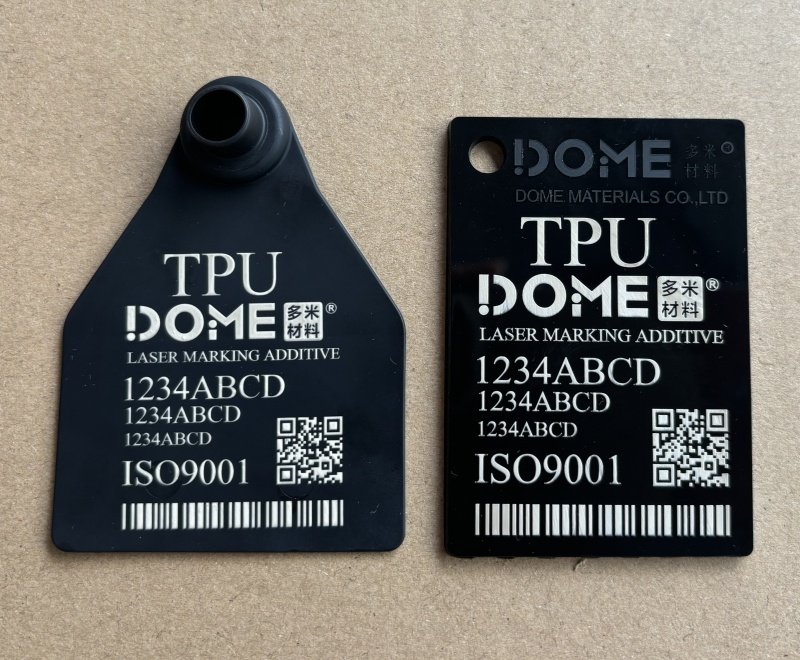
If you manufacture black Thermoplastic Polyurethane (TPU) parts—such as livestock ear tags, industrial components, or flexible wearables—you have likely encountered a frustrating quality issue. When you apply a white laser mark to your black TPU parts, the results are sometimes disappointing: uneven whiteness, blotchy areas, and noticeable flow marks stretching across wide patterns or large text.
For manufacturers striving for high-contrast, professional, and durable product identification, these flow marks can ruin an otherwise perfect product batch.
In this article, we’ll explore why this happens and reveal a game-changing, simple manufacturing adjustment that eliminates TPU flow marks—elevating your laser marking quality to the next level.
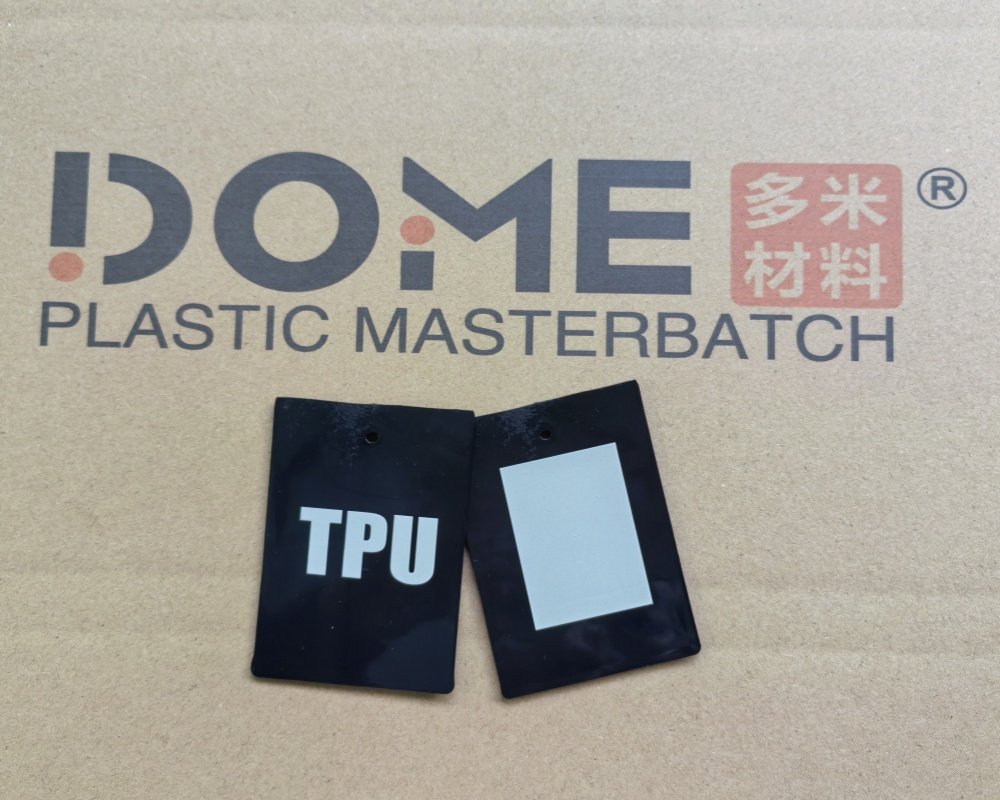
The Root Cause: Why Do Flow Marks Happen on Laser-Marked TPU?
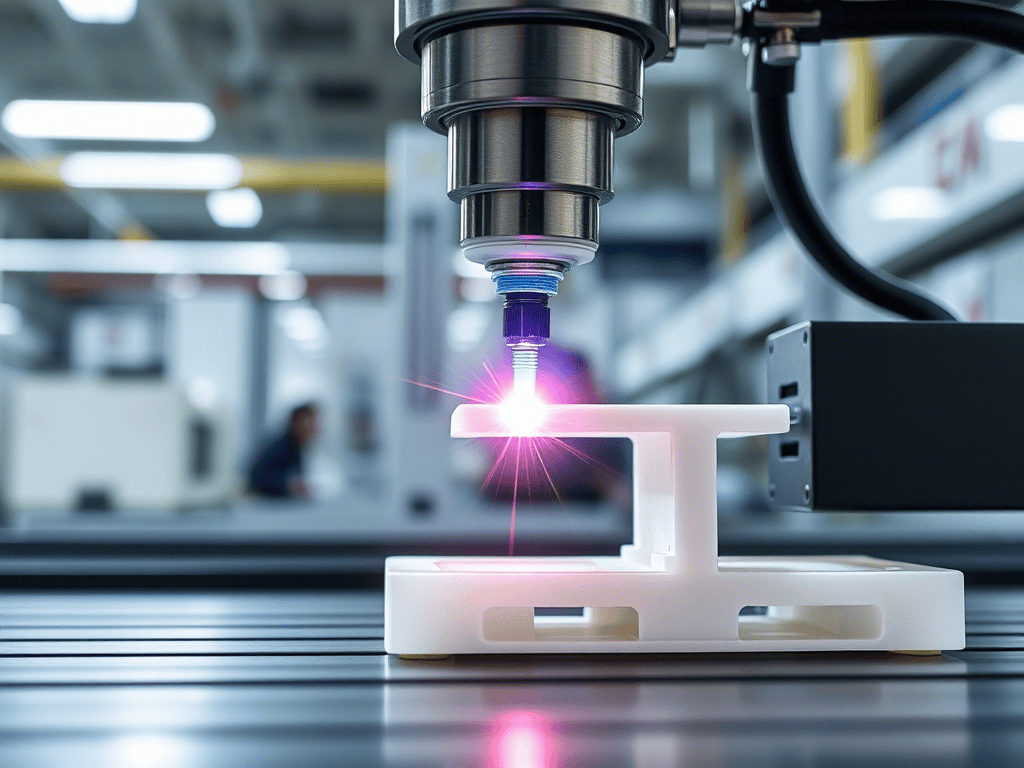
When laser marking black TPU, the laser beam reacts with specific additive particles embedded in the polymer matrix to create a foaming or carbon-bleaching effect, turning the dark surface white.
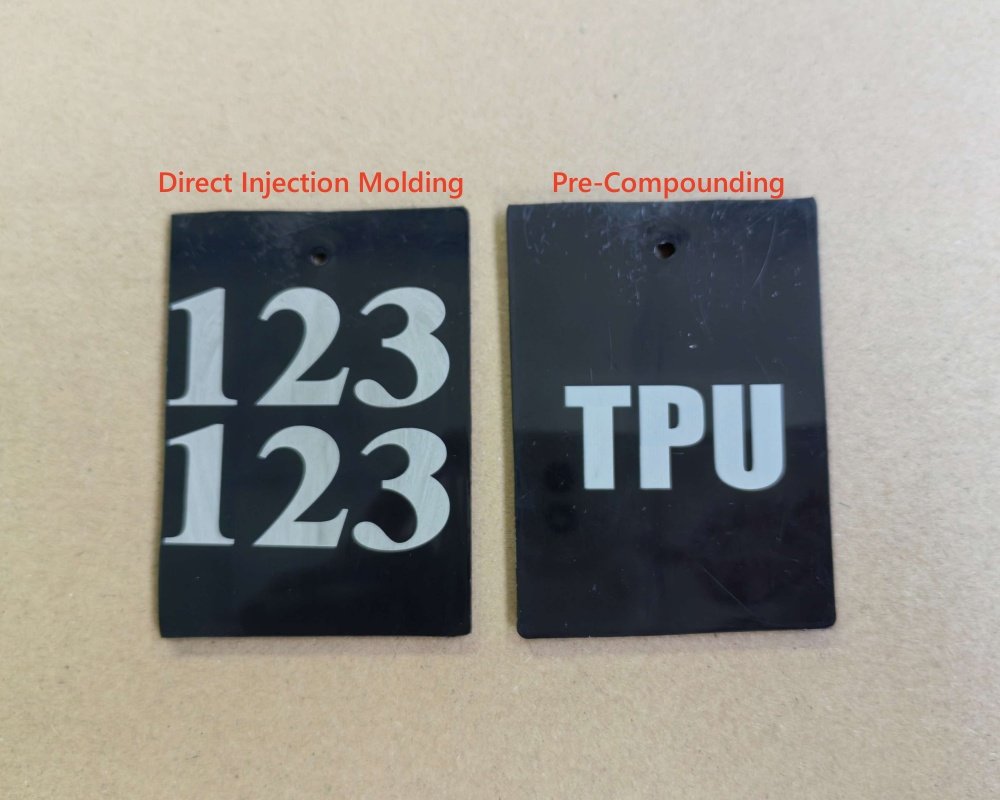
However, during direct injection molding (where raw TPU pellets and laser additives are dry-blended right at the hopper), achieving absolute homogeneity is difficult. As the molten TPU flows through the injection mold channels and spreads across wide surface areas, the distribution of the laser additive becomes uneven.
When you fire up the laser to mark broad patterns or large text (like serial numbers and wide logos on livestock ear tags), any microscopic concentration differences in the additive show up vividly as swirling flow marks, uneven patches, and inconsistent whiteness.
The Proven Solution: Pre-Compounding (Modified Pelletizing) Before Injection
How can you ensure the laser additive is distributed with absolute perfection?
Through extensive testing and real-world application feedback, engineers have found a superior manufacturing workflow: Pre-compounding (modified pelletizing) prior to injection molding.
Instead of dry-blending the raw TPU and laser marking additives directly at the injection molding machine, the process involves two distinct steps:
- Compounding & Pelletizing: First, thoroughly mix the raw TPU resin and specialized laser marking additives, then run them through an extruder to create uniformly modified masterbatch or pre-compounded pellets. In these pellets, every single grain has the additive locked homogeneously into the TPU matrix.
- Injection Molding: Feed these pre-compounded pellets directly into your injection molding machine.
Why Does This Method Work Wonders?
- Zero Flow Marks: Because the additive is already molecularly and physically bound uniformly into the pellet before melting, it flows smoothly and evenly during the injection phase, completely wiping out swirling flow marks.
- Superior Whiteness and Contrast: The distribution consistency ensures that the laser reacts uniformly across the entire surface, yielding a brilliant, high-contrast, solid white mark.
- Ideal for Wide Patterns and Large Text: Whether you are printing expansive logos, barcodes, or large numbers on wide TPU ear tags, the background remains flawlessly uniform.
How DOME Materials Can Help You Master TPU Laser Marking
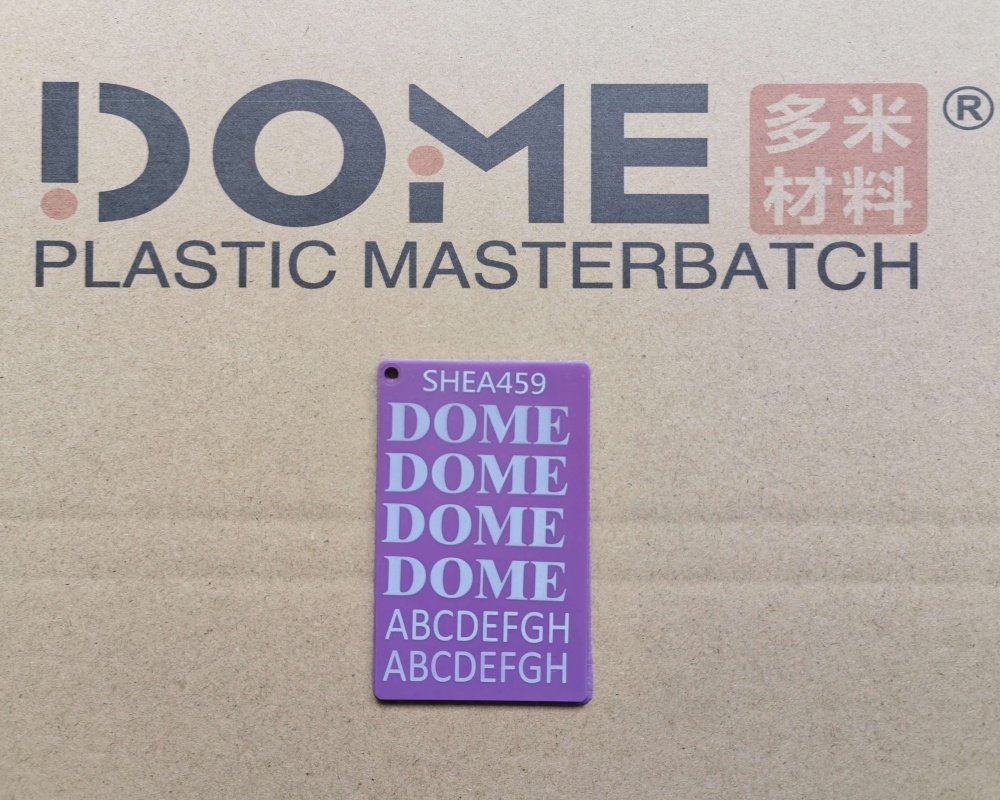
At DOME Materials, we understand that every manufacturing setup has unique challenges. As a specialized leader in laser marking additives and masterbatches, we don’t just sell products—we provide tailored, end-to-end laser marking solutions.
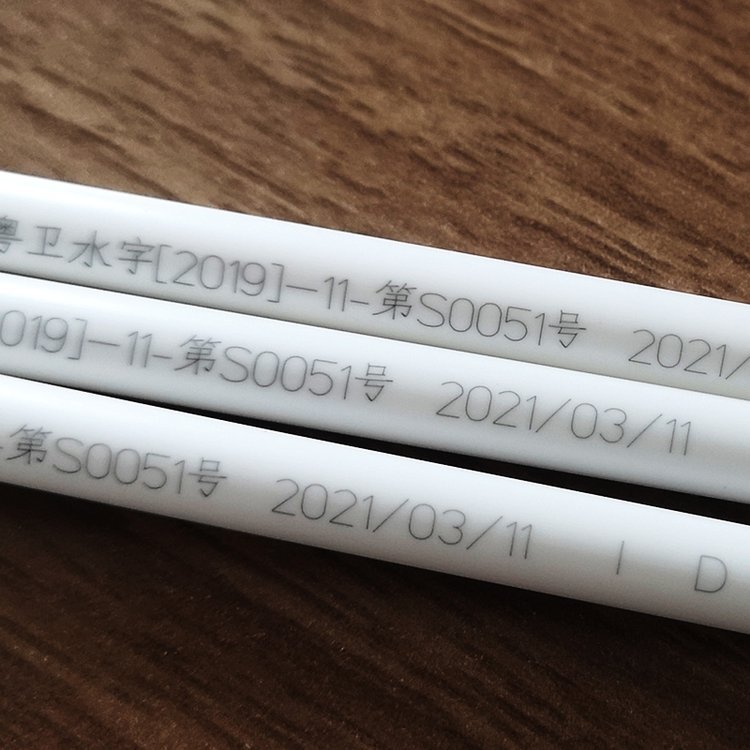
Whether you need high-performance laser additives, customized masterbatch formulations, or expert technical guidance on pre-compounding parameters, our team is dedicated to helping you achieve flawless, high-contrast white markings on black TPU every single time.
Ready to upgrade your TPU marking quality?
Stop letting flow marks compromise your product presentation. Contact DOME Materials today to speak with our technical team, request free sample testing, and let us customize the ideal laser marking solution for your production line!